
Review · SINTRA DAY TRIPS
E-Bike Self Guided Tour Sintra & Cabo da Roca
E-bikes turn Sintra into a ride, not a grind. I love the GPS app setup that makes navigation feel straightforward, and I love the way this route strings together major sights like Pena Palace and Cabo da Roca while helping you dodge the worst traffic. The main drawback to plan around: some climbs are steep and long, so you should already feel comfortable on a bike in hilly terrain.
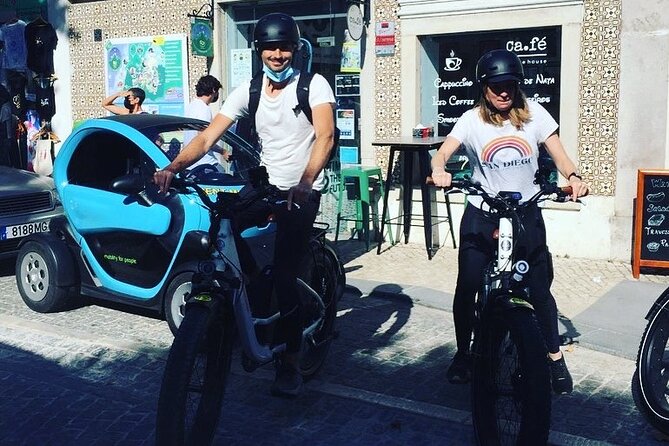
This is a self-guided e-bike tour based in Sintra, built for a full day (about 8 hours) and designed to feel manageable even when the hills show up. You start at Tv. João de Deus 7B, pick up a Rad Power e-bike, and then follow the app’s route through classic Sintra stops, out to Portugal’s west edge, and back again.
Key highlights to know before you go
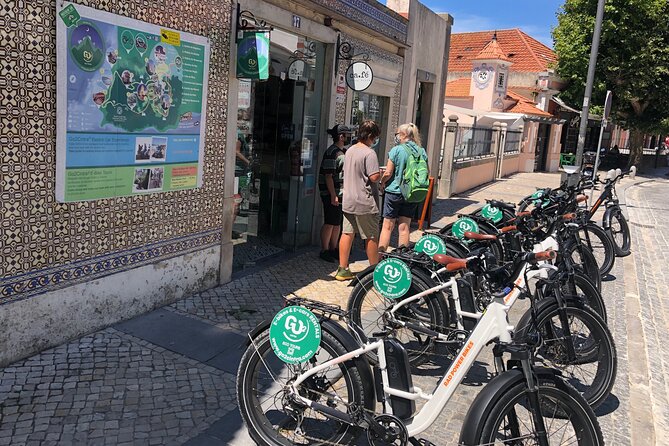
- Rad Power e-bikes ready in Sintra: you don’t need to haul a bike on the train.
- App-driven routing with monument info: you ride your pace, not a fixed schedule.
- Route planning that avoids the busiest roads: especially helpful in high season.
- Iconic stops on one loop: Quinta da Regaleira, Palácio de Monserrate, Cabo da Roca, Santuario da Peninha, Conventos dos Capuchos, Castelo dos Mouros, Palácio da Pena.
- Support when you need it: the operator stays in contact, with local help available.
- Smart gear included: helmet, lockers, phone holder, extra phone rechargers, and free nearby parking.
Price and logistics: what $58.07 really buys you
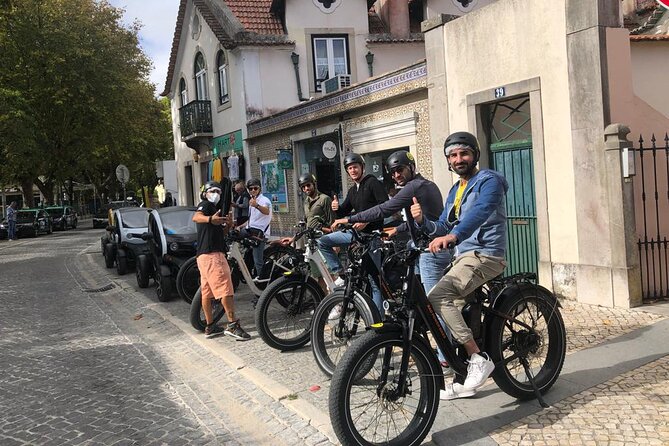
At $58.07 per person for an approximately 8-hour self-guided day, the value here comes from removing the usual headaches of riding in a tourist-heavy town. You’re paying for the e-bike itself plus the whole system around it: the app with route and monument information, safety gear like a helmet, a phone holder, and phone recharging support.
You also get practical add-ons that matter in real life. Lockers help you stash a few essentials. There’s free parking nearby if you’re arriving by car. And the meeting point in Sintra is close to public transportation, which keeps the day easy even if you are not driving.
If you only want a quick snack stop and a few photos, this might feel like a lot. But if you want movement, views, and a logical way to connect Sintra with the coast, the price reflects that it is a full-day ride, not a short transfer.
You can also read our reviews of more cycling tours in Sintra

Getting started at Tv. João de Deus: quick setup, then ride
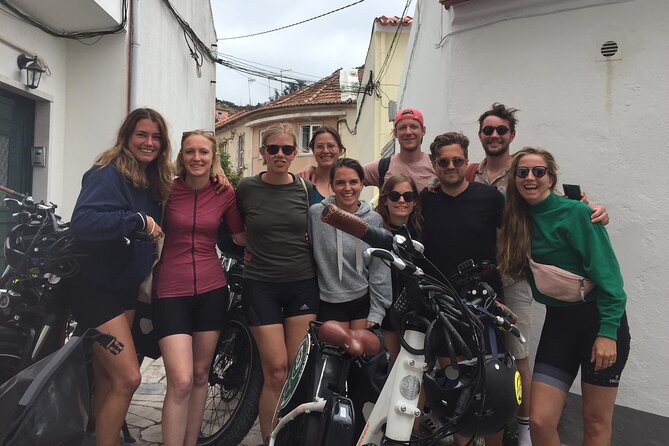
Your day begins at Tv. João de Deus 7B in Sintra. When you arrive, you’ll download the operator’s app, get a rundown on how the Rad Power e-bike works, and then you’re off following the route options in the app.
This matters because the bikes are electric for a reason: Sintra is hilly. You should expect the e-bike to reduce the strain, but it will not magically remove the reality of gradients and long stretches. The operator also notes that difficulty changes depending on the route you choose, and they advise routes that match your cycling comfort level.
One more small detail that makes a big difference, especially if you rely on your phone for navigation: the tour includes extra rechargers for your smart phone. That reduces the stress of watching battery percent all day.
How the app routing helps you avoid Sintra stress
This is a self-guided tour, but it is not self-confusing. The app provides the routes and includes information about the monuments along the way, so you can stop when you want and still keep moving without constantly second-guessing directions.
That means you avoid two common tourist-day problems:
- you do not waste time stuck in congestion trying to figure out where the road leads
- you do not lose your day waiting for someone else’s timing
The operator also builds routes that avoid the busiest roads for about 80% of the trip. That is a key reason so many people like this format. You still see the iconic places, but you spend more time riding and less time stuck.
Do know this though: near the most famous monuments, some access roads are unavoidable for vehicles. One route consideration you should accept up front is that traffic around areas like Pena Palace and Quinta da Regaleira can be heavy in peak periods. The rest of the loop is where you gain the advantage.
Riding route breakdown: what each major stop gives you
Below is the order you’ll typically connect, following the app’s plan. Think of it as a scenic circuit where the bike does the hard work, and your job is simply to show up and ride.
Quinta da Regaleira: start with an iconic Sintra stop
Your loop passes Quinta da Regaleira early in the day. This is one of the places where arriving by bike tends to feel smoother because you are not trying to coordinate parking and foot traffic the same way. It is also a monument area where vehicle access can bring crowds during high season, so the best strategy is to stop, take in the view, and keep the day moving.
If you like seeing big names without turning the day into an hours-long queue, this fits well.
You can also read our reviews of more guided tours in Sintra





Palácio de Monserrate: a change of pace on the way
You also ride past Palácio de Monserrate. In a day like this, the value of intermediate monuments is not just the photo. It’s also a rhythm break. You can stop briefly, then get back on the bike and keep the momentum toward the coast.
This stop also signals that the ride is more than a straight line. You are moving through different parts of Sintra’s famous cultural circuit, with the e-bike taking the edge off the hills.
Cabo da Roca: the western edge payoff
Then the route reaches Cabo da Roca, described as the most western point of European main land. This is the kind of destination that makes a long ride feel worth it, because it is a clear end point. You get that sense of arriving somewhere “real,” not just moving between attractions.
After Cabo da Roca, your day flips from outward momentum to returning through forested sections of Sintra. The ride becomes more about scenery and less about big-city-style monument corridors.
Santuario da Peninha and Conventos dos Capuchos: forest riding with famous names
On the way back, the route brings you through the forest of Sintra and includes Santuario da Peninha and Conventos dos Capuchos. These are stops that help the day feel like more than just palace hopping.
The biggest practical value of this part of the route is that the ride continues to connect you to the setting. You are not constantly trapped in the loudest traffic zones. You get a more relaxed rhythm, which helps if you want a calmer tone after Cabo da Roca.
Castelo dos Mouros: viewpoints plus the crowd reality
The route then includes Castelo dos Mouros. Here is the practical advice: it can be crowded, and you might not need to go inside to get what you came for. The bike gets you close, and you can decide on the spot whether you want to commit time to entrances or just enjoy the approach and views.
That flexible decision-making is a big strength of the self-guided setup.
Palácio da Pena: finish strong (and plan for vehicles)
Finally, you connect back toward Palácio da Pena. This is a headline stop, but it is also an area where the access road brings traffic year-round. Even with bike routing and avoiding busy roads along most of the loop, you can still expect vehicle congestion in the immediate monument area.
My suggestion: treat the final monument as your wrap-up. Take a reasonable time to enjoy it, then focus on getting back comfortably without turning the ride into a waiting game.
What the e-bike ride feels like: hills, comfort, and realistic effort
Even with powerful Rad Power electric bikes, this is not a flat stroll. The operator specifically notes that routes can include steep climbs and that the difficulty depends on the route choice and your comfort level.
In plain terms, here’s how to plan your effort:
- expect some long, steep sections
- rely on the motor for assistance, not for magic
- bring water and wear clothing you can ride in comfortably
One review theme that fits the route design is that the ride lands in the middle zone: “medium exercise,” not a sweat-fest for everyone, but not zero effort either. You still pedal. You’ll still feel some lung-work on the steeper bits. The motor helps you keep moving, which is the point.
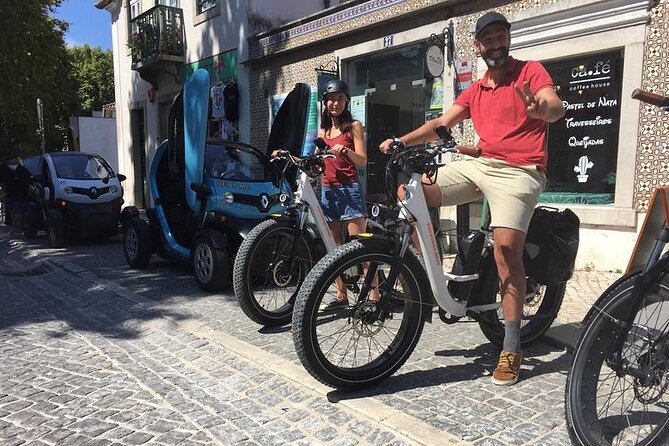
A second practical note from the feedback: these are fat-tyre e-bikes. If you are used to regular bikes, the bike can feel a little bulky at first. Give yourself a few minutes after pickup to get used to how it turns and how the tires roll.
Practical gear that makes or breaks a self-guided day
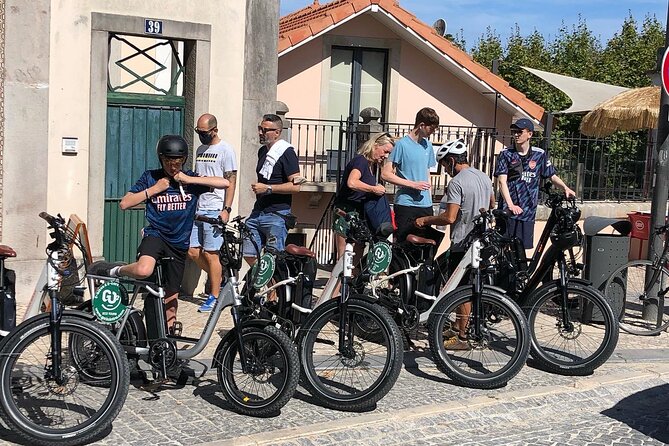
This tour includes a handful of extras that reduce day-long stress:
- helmet
- phone holder
- extra phone rechargers
- lockers
Those details are not “nice-to-have.” In a self-guided experience, your phone is basically your co-pilot. If your battery dies, you lose confidence fast. The included rechargers help prevent that.
Lockers help because you might want to carry only essentials. And helmet comfort matters more than you might think when you’re riding for hours.
They also include free parking near Sintra’s monument areas, which is useful if you arrive by car.
Traffic and crowd management: where you win, where you cannot
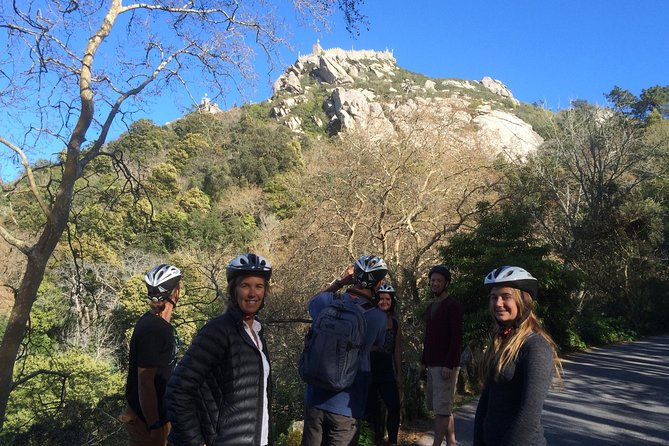
The biggest advantage of this e-bike plan is that you can avoid much of Sintra’s busiest roads. That is built into the route design, and it makes a difference in how much time you actually spend moving.
But there are two realistic limits:
- Some iconic areas have access roads that vehicles must use, so you cannot fully eliminate traffic at the biggest monuments.
- Certain times of year are simply busier. Even with good routing, you can still feel the crowd pressure near the famous names.
So the win is not that there are never cars or people. The win is that your day is structured to minimize the worst of it and keep the ride flowing most of the time.
Where to take breaks: meals are on you
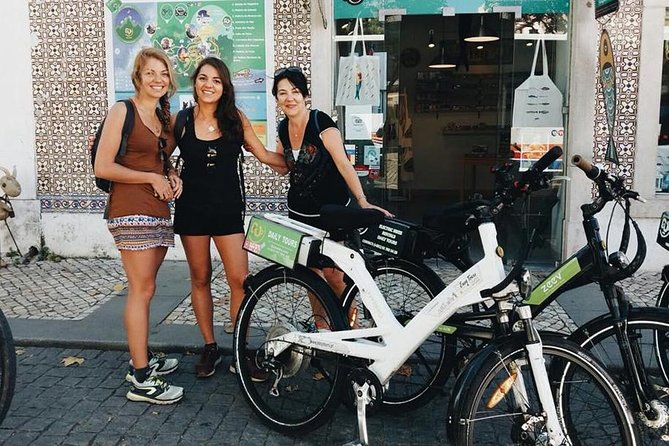
Meals are not included. This matters because it shifts responsibility for meal timing onto you, which is normal for self-guided tours.
The good news is that you can stop whenever you want without asking permission from a group schedule. If you want a quick sit-down break, there can be a bicycle-focused restaurant option along the way, and it’s the kind of place cyclists like because the day has a natural rhythm for stopping.
My practical rule for a day like this: plan on a water refill and one food break, and keep the rest of the stops short. That keeps the day fun instead of turning into a slow grind.
Who should book this self-guided e-bike day
This is a strong match if you want:
- a flexible, self-paced way to connect Sintra monuments and the coast
- an e-bike day that helps you handle hills without turning the day into hard labor
- navigation support via an app with turn-by-turn routing and monument information
It is not a good match if you:
- are not comfortable riding bicycles in a hilly area
- want a purely relaxed, low-effort sightseeing day
There’s also a child height requirement: children must be at least 160 cm.
Should you book this e-bike tour or choose something else?
Book it if you want a high-value “big day” in Sintra that combines iconic sights with real riding time. The included app navigation, phone recharging support, and mostly-off-busy-roads route design are the reasons to trust this format. You end up seeing the major names while still feeling like you had an experience, not just a series of transit hops.
Skip it or choose a gentler plan if hills stress you out. This is manageable with an e-bike, but the route includes steep, long climbs, and the operator does not recommend it for people uncomfortable on hilly terrain.
If you like the idea of finishing at Cabo da Roca and then rolling back through forests with famous stops along the way, this one is hard to beat for a single-day plan.
FAQ
How long is the E-Bike Self Guided Tour Sintra & Cabo da Roca?
It runs for about 8 hours.
Where does the tour start and end?
You start at Tv. João de Deus 7B, 2710-431 Sintra, Portugal, and the activity ends back at the same meeting point.
Are monument tickets included?
No. Monumentos tickets are not included.
What’s included with the tour?
You get an app with route and monument information, lockers, assistance, a phone holder, extra rechargers for your smart phone, free parking nearby, and a helmet.
Is this tour recommended if I am not comfortable riding in hills?
No. It is not recommended for participants who aren’t comfortable riding bicycles in a hilly area.
What is the minimum height for children?
Children must be at least 160 cm tall.
What if the weather is bad?
This experience requires good weather. If it is canceled due to poor weather, you will be offered a different date or a full refund.
More Cycling Tours in Sintra
More Tours in Sintra



More Tour Reviews in Sintra


Not for you? Here's more nearby things to do in Sintra we have reviewed









Sintra Day Trips, side by side.
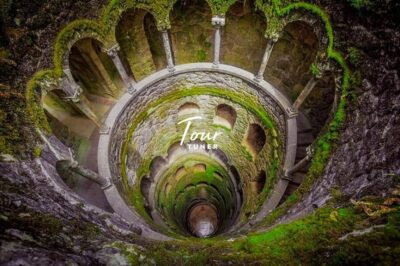 ★ 4.7Sintra, Pena, Regaleira, Cabo da Roca & CascaisTickets from $2319,656 traveller reviews
 ★ 4.2Sintra: Pena Palace and Park Entrance TicketTickets from $1117,410 traveller reviews
 ★ 4.7Pena Palace, Sintra, Cabo da Roca, & Cascais DaytripTickets from $919,981 traveller reviews
 ★ 5.0Sintra and Cascais Small-Group Day Trip from LisbonTickets from $607,018 traveller reviews
 ★ 4.8Sintra, Pena, Cabo da Roca, Cascais Tour with PickupTickets from $575,080 traveller reviews
 ★ 5.0Small Group Tour to Sintra, Pena Palace, Cabo Roca and CascaisTickets from $673,559 traveller reviews
 ★ 4.9Sintra, Pena Palace, Cabo da Roca, & Cascais TourTickets from $563,509 traveller reviews
 ★ 4.8Sintra, Pena, Cabo da Roca Coast & Cascais Day TourTickets from $413,124 traveller reviews
More useful lists for this tour