
Review · SINTRA DAY TRIPS
Surf and Bodyboard Classes in Sintra
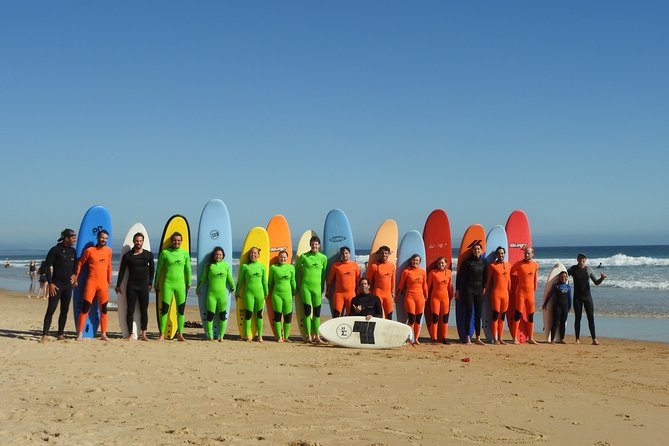
A great first surf session starts with a plan. This surf and bodyboard class on the Sintra Coast is built for real skill levels, with tight coaching and equipment handled for you. I like that it runs in a small group, and you are taught with focus on what to improve, not just letting you figure it out.
You’ll do a proper warm up, get briefed on the very basics if you are new, and then head into the Atlantic with an instructor staying close. I also like the way the school adapts to conditions, since sessions run based on sea state and tides, not just a fixed “show up, catch waves” script.
One thing to consider is that the timing can shift with the ocean. The session times are planned around tides and sea conditions, so you should stay flexible, and dress prepared for changing weather at the shoreline.
Key things to know before you hit the water
- Small-group coaching: up to 10 travelers, with teaching set up around one instructor for about five students
- Tides and sea conditions drive timing: especially in summer, start times depend on the ocean
- Equipment included: no need to bring board, wetsuit, or gear
- Two beach spots for learning: you train at Praia das Macas and Praia de Carcavelos
- English instruction available: the class is offered in English
- Beginner-friendly structure: you get taken aside for the basics before going further out
Sintra Coast Surf Lessons: Why This Style of Coaching Works
If you have ever tried surfing on your own, you know the truth fast. Surfing is not just about standing up, it is about timing, position, and reading the wave in a fraction of a second.
That is why I like this setup. You show up for a guided class, not a vague group activity. The school also keeps the instruction organized by level, so you are not stuck watching other people far beyond your current skill.
Then there is the vibe. In the best surf lessons, you feel supported without feeling rushed. One instructor named André gets specific praise for teaching with a clear plan and good energy, even over multiple days.
More Lisbon tours and experiences for the shortlist
Where You Meet, How the Session Really Runs, and What “2 Hours” Means
The class starts at Surf at Praia Grande, Av. Alfredo Coelho 41, 2705-329 Colares, Portugal, and it ends back at the meeting point. The total experience is listed as about 2 hours, and the coached time is around 1h30 within that window.
What matters here is the flow. You are not just dropped at a beach and told good luck. You get organized, briefed, and coached through the key parts of the session, then you get back out the door once the set learning time is done.
Also note the seasonal schedule. During the summer, classes can run every day, at least twice a day, with start times adjusted to sea and tide conditions. Outside summer season, it is once a day, every day including weekends, again with times to be agreed based on conditions and class level.
If you like predictability, you might feel a little friction because the ocean calls the shots. If you like real-life surf, where the best waves happen when conditions line up, you’ll appreciate it.
Praia das Macas: A First Look at the Ocean Without the Chaos
You train at Praia das Macas as one of the main stops. Even without getting lost in technical claims about the exact wave pattern, the choice of beach names signals something useful: you’re not only learning one repeated spot.
This stop tends to work well for the “start here” part of surfing and bodyboarding. In strong lessons, the first phase is about getting your body comfortable with the board, the water entry, and the basic rules of how to move and when to commit. You’ll typically start with a warm up, then you’ll be coached in simple steps.
One theme from actual class experiences is the way instructors pull you aside to learn the basics before you head out. If it is your first time, that step matters. It reduces the frantic guessing, and it gives you a small number of priorities you can actually remember when the water gets busy.
Potential drawback: if sea conditions are not right, your learning may shift to keep the class safe and effective. Since timing follows tides and sea state, the beach plan can feel slightly fluid.
Praia de Carcavelos: Practice, Corrections, and Building Momentum
Praia de Carcavelos is the second listed stop. Think of this as the “apply what you just learned” phase. Once you understand the basics, you need repetitions with feedback, and that is where most people make the fastest progress.
In well-run sessions, you should feel like the instructor is close enough to notice what’s going wrong. Multiple people highlight that instructors stay near and explain what is working and what needs adjusting. That kind of on-the-spot correction saves you from repeating mistakes for an entire session.
For example, if you are having trouble with balance, the coaching focus is often about positioning and timing. If you are misreading the wave, the coach can tell you what to look for so your next attempt improves instead of just restarting.
Potential drawback: if you are totally new, you might find that you are not catching tons of waves immediately. The upside is that the school prioritizes the right learning steps, so you improve instead of collecting random wipeouts.
Group Size, Instructor Ratio, and the Human Scale Advantage
This class is shared with other students, but the numbers stay small. The tour lists a maximum of 10 travelers, and the teaching model is one instructor for every five students.
That matters more than it sounds. Surf lessons can get chaotic when the group is too big or the instructor is stuck juggling too many people at once. Here, the ratio is set up so you get real attention, including different levels within the same session.
You also get help finding your pace. First-time surfers often benefit from short, focused instruction blocks, then immediate practice. People also mention stress-free teaching, with instructors keeping the mood upbeat even when kids and adults struggle with getting up.
And if you are thinking of taking multiple sessions, this matters even more. One person did several days, and the experience stayed organized, with personal feedback and a “good humor” teaching style.





Equipment Included: Less Hassle, More Water Time
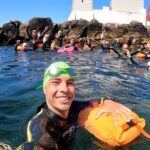
The class includes all necessary equipment. That usually means you do not have to track down a wetsuit, board, or the right gear before you show up.
This is a quiet value win. On surf trips, equipment rental can be a hidden time sink, and it can also add cost. Here, you’re paying for instruction plus the gear needed to learn, which makes the whole experience easier to plan.
One more small but real benefit: you can arrive more lightly. If you are already carrying sunscreen, water, and beach stuff, it helps to know you’re not also responsible for board logistics.
Price and Value: Is $41.40 a Good Deal?
At $41.40 per person for roughly two hours, this class looks very reasonable, especially because equipment is included and coaching is hands-on.
The best value is not just the price tag. It is the combination of:
- small group size
- instructor attention
- equipment handled
- structured time with warm up and on-water coaching
One caution I’d add is about how you book. One person regretted booking through a third party because paying directly saved them money, with a reported difference of around 20 percent. I cannot promise the same savings for your situation, but it is worth checking direct options when you see a big price gap.
If you want a simple, organized surf day without extra rentals and with coaching that actually corrects mistakes, this price feels like a solid match.
English-Friendly, Family-Friendly, and Realistic for Most People
The class is offered in English, and the information says most travelers can participate.
That is the right kind of phrasing, because surfing is not one-size-fits-all. Bodyboarding and surfing require different comfort levels in water, and teaching by level helps.
Families often like the structure. One experience described a first family surf day with kids, highlighting clear explanations and a calm, positive mood even when things got wobbly. If you bring children, you should still expect that kids will need time to get used to water conditions and board handling, but good instruction makes the difference between fun and fear.
If you are traveling solo or as a couple, you still get the same benefit of level-based teaching. You are not stuck as an “extra” in a big class.
Who might want a different option? If you are looking for a private lesson, this format is shared. The upside is small scale, but you still share coaching with other students.
Quick Reality Check: What You Need to Bring and How to Plan Your Day
Even though equipment is included, your comfort still depends on what you bring.
Bring:
- a change of clothes
- a towel
- sunscreen and water
- something for chilly coastal wind, even in summer
Plan around the fact that timing can shift. The school schedules sessions based on tides and sea conditions, so keep your day open if you can.
Also remember this is the Atlantic coast, so weather can change quickly. If the session is canceled due to poor weather, the plan is either another date or a full refund.
Should You Book This Sintra Coast Surf and Bodyboard Class?
I think you should book if you want a structured first step into surfing or bodyboarding, with instructors close enough to give practical corrections and a class size that does not feel like a ticket to chaos.
It is especially worth it when:
- you want equipment included
- you care about getting feedback, not just time in the water
- you want a small-group experience with English instruction
- you are open to schedule adjustments tied to tides
I would hesitate if you need a rigid schedule, or if you dislike the idea that the ocean may decide when learning is best. Also, if you are extremely price-sensitive, compare booking paths because third-party markups have been reported in similar cases.
If you are flexible and you want real progress, this is a great way to spend a couple hours on the coast. You’ll leave with more than a souvenir photo, you’ll leave with a better sense of how to read the wave and what to do next time.
FAQ
How long is the surf and bodyboard class?
The experience is listed as about 2 hours, and the coached class time is about 1h30.
Where does the class start and where does it end?
It starts at Surf at Praia Grande, Av. Alfredo Coelho 41, 2705-329 Colares, Portugal, and ends back at the meeting point.
Is equipment included?
Yes, all necessary equipment is included in the class.
Is the class offered in English?
Yes, the class is offered in English.
What is the group size and instructor ratio?
The activity has a maximum of 10 travelers, and teaching is arranged with 1 instructor for every 5 students.
When do classes run?
During summer, classes can run every day of the week at least twice a day, depending on sea state and tides. Outside summer season, classes run once a day every day of the week and weekends, with times agreed based on sea conditions and class level.
What is the cancellation policy?
You can cancel for a full refund up to 24 hours before the experience’s start time. If it is canceled due to poor weather, you’ll be offered a different date or a full refund.
More Workshops & Classes in Cascais

More Tour Reviews in Cascais
Not for you? Here's more nearby things to do in Cascais we have reviewed








Sintra Day Trips, side by side.
 ★ 4.7Sintra, Pena, Regaleira, Cabo da Roca & CascaisTickets from $2319,656 traveller reviews
 ★ 4.2Sintra: Pena Palace and Park Entrance TicketTickets from $1117,410 traveller reviews
 ★ 4.7Pena Palace, Sintra, Cabo da Roca, & Cascais DaytripTickets from $919,981 traveller reviews
 ★ 5.0Sintra and Cascais Small-Group Day Trip from LisbonTickets from $607,018 traveller reviews
 ★ 4.8Sintra, Pena, Cabo da Roca, Cascais Tour with PickupTickets from $575,080 traveller reviews
 ★ 5.0Small Group Tour to Sintra, Pena Palace, Cabo Roca and CascaisTickets from $673,559 traveller reviews
 ★ 4.9Sintra, Pena Palace, Cabo da Roca, & Cascais TourTickets from $563,509 traveller reviews
 ★ 4.8Sintra, Pena, Cabo da Roca Coast & Cascais Day TourTickets from $413,124 traveller reviews
More useful lists for this tour