
Review · PHOTOGRAPHY SESSIONS
19th Century Photography Experience
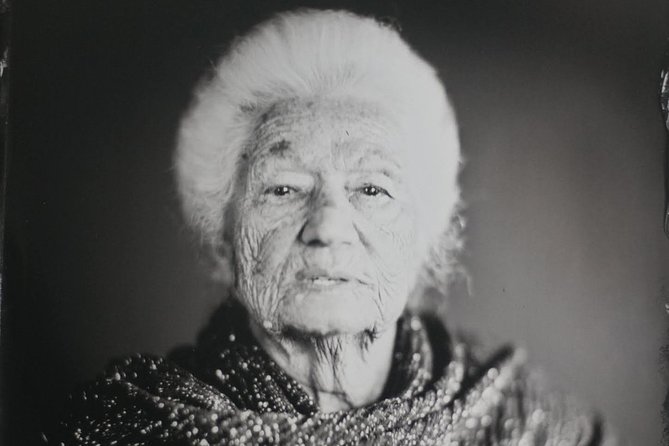
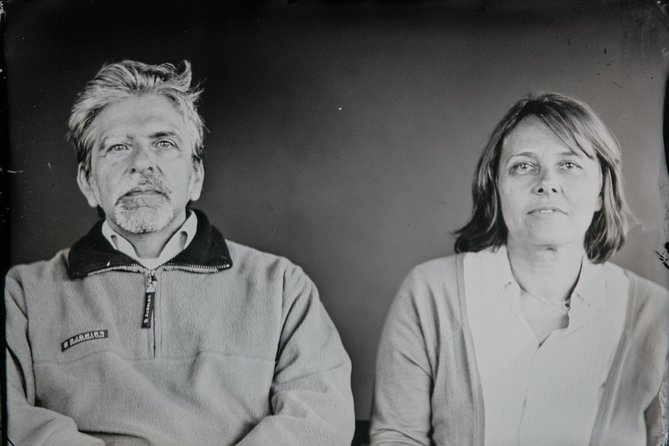
A tintype portrait in Sintra is like stepping into a photograph. This private 19th-century photography session uses Frederick Scott Archer’s wet plate collodion process, then lets you watch the image appear and develop in a dark room. You also leave with a physical memento, made the old way.
I like that you get a hands-on, guided process, not just a quick demo. I also love the period props and clothing options, plus choosing from different portrait sizes so the final tintype fits your taste. A single potential drawback to plan for: this experience is not wheelchair accessible, and the camera exposure can take up to 10 seconds.
If you’re thinking about bringing very young kids, note that children under 6 are not recommended because of those longer exposure times. For everyone else who can pose still, it’s one of the more memorable ways to spend about an hour in Sintra without wandering far.
Key takeaways before you go
- Wet plate collodion tintype portrait made using a process tied to Frederick Scott Archer (1851)
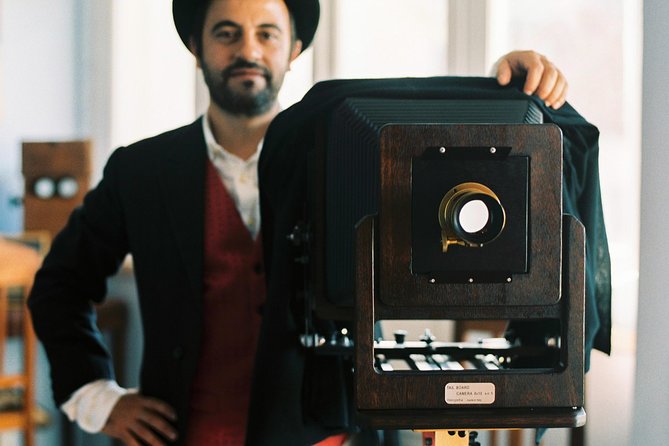
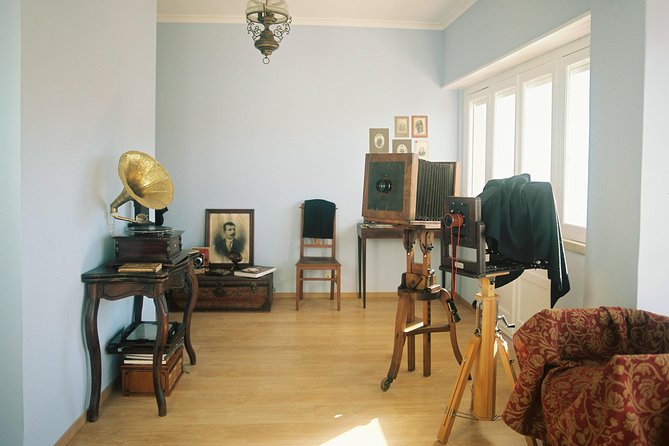
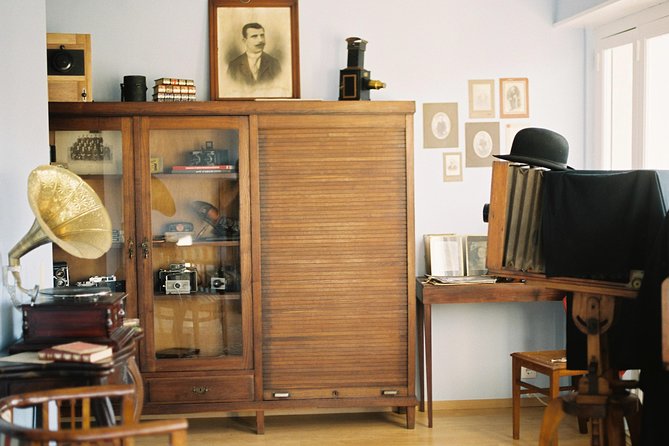
- Private session at Five Historic Photography Studio, with antique cameras, furniture, and reference materials
- Dark room development shown under safe red light, with you watching the process
- Tintype plates ready about one hour after shooting starts, so you time your pick-up
- Optional period wardrobe and accessories, plus the photo comes in a protective box with care guidance
Entering Five Historic Photography Studio in Sintra
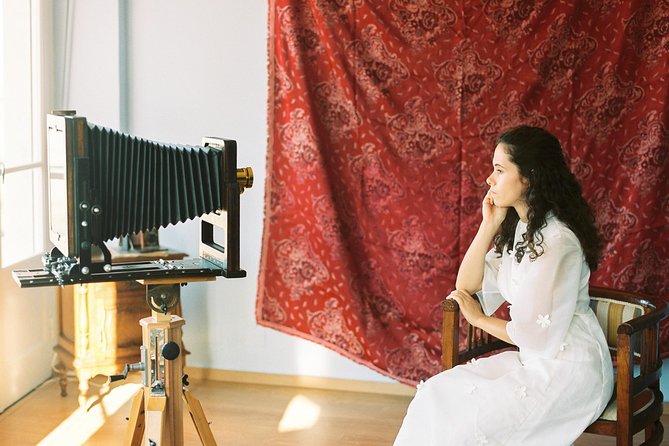
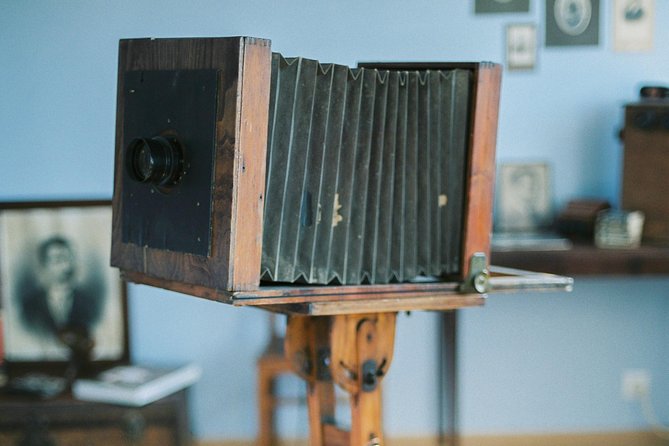
This isn’t a modern selfie stop. Five Historic Photography Studio is set up like an actual 19th-century workshop, with antique cameras and period-style furnishings that make it easier to get into the right mindset. Even before the lens ever points at you, you feel like you’ve walked into a working museum corner.
The studio also has literature on 19th-century photography, which matters more than you might expect. A good intro does two things: it puts you in the right context, and it helps you understand what you’re seeing when the process gets hands-on.
And because it’s a private session, you’re not competing for attention. You can ask practical questions as you go, and the pacing can be more relaxed than a crowd-based photo activity.
You can also read our reviews of more photography tours in Sintra


Your portrait prep: choosing size and using period clothing
Once you’re inside, you’ll be guided through the setup for your tintype portrait. A key detail here is that you can choose from three different sizes for your tintype. That choice affects how you’ll think about the final result, since you’re not just buying a souvenir photo, you’re choosing a physical portrait format that you’ll live with.
Props and wardrobe are also part of the fun. You can use period clothing and accessories supplied by the studio, and the experience notes that optional use is available. If you’re traveling with specific outfits or ideas, it can be worth bringing something that fits the mood, since the studio setup gives you a place to make it look period-correct.
One practical tip: decide your color and style direction early. Dark, classic tones tend to photograph well with older processes, and the portrait look is very different from modern color portraits. You’ll get more satisfaction if you go in with a plan rather than improvising at the last second.
The shoot itself: posing for wet-plate collodion
This is where the “time travel” part gets real. Your portrait is made through wet plate collodion, one of the oldest photographic processes associated with the 1851 work of Frederick Scott Archer. If you like history that you can actually see happening, this is the moment.
The exposure time can go up to 10 seconds, and that’s the main thing to consider for anyone who struggles to hold still. It’s not a problem if you can stand comfortably and follow directions, but it’s not a fit for people who need frequent movement breaks during a pose.
Also keep in mind that this is a private experience, so the host can guide you for your specific comfort level. Still, your body has to cooperate. Think “portrait session,” not “casual vacation photo.”
Watching the dark room process under safe red light
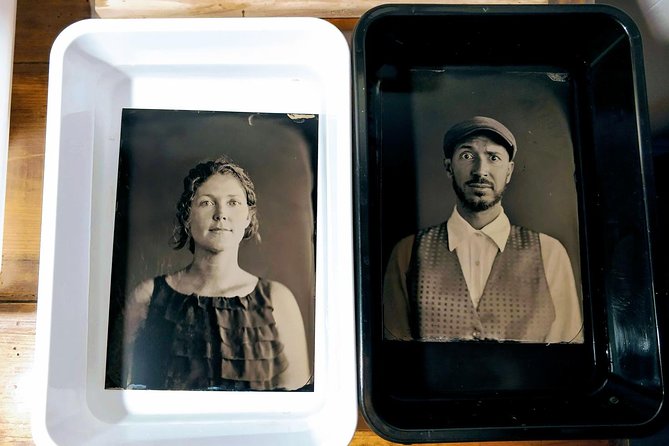
One of the best parts is that you don’t just pose and leave. You follow the hosts to the laboratory and dark room, where you can witness the development process under safe red light.
This is where the experience becomes more than an artifact. You’re watching an early photographic workflow come to life in real time. The key payoff is that the negative image appears during the development sequence, and the transformation feels almost magical, even if you know it’s science at work.
You’ll also see how the studio frames this work as craft, not spectacle. Hosts explain what’s happening as you watch, and the dark room setting makes it easier to focus. If you’re the type who likes filming short moments for later, have your phone ready before you enter the dark room area. The most dramatic change happens quickly, so you don’t want to be fumbling when the moment arrives.
A small note for your expectations: you are watching development, not getting a full photography lesson. But the experience does include an introduction to 19th-century photography and the collodion process, so you’ll have enough context to enjoy it instead of just standing there.
Pick-up timing: when your aluminium tintype is ready
Here’s the scheduling detail that can matter for your day: the aluminium plates (tintypes) are ready one hour after the experience starts. That means the portrait process and the finishing step aren’t identical moments. Plan your Sintra time with that in mind.
Because your session is private and time-managed, it’s usually straightforward to work it into your day, but you should still treat it like a two-part experience: shoot now, pick up later. If you’re on a tight itinerary with trains or other reservations, give yourself buffer time so you’re not rushing.
When you finally collect your tintype, you’re not just receiving a flat print. The studio provides the portrait in a nice protective box and includes guidance on how to care for it. That box matters because physical tintypes can be handled, but they also deserve gentle storage. If you like keeping souvenirs long-term, this part is a real value add.
Also, you have options around the final take-home. Digital copies are not included, but you can buy them for €5.00 per booking. If your goal is social sharing or keeping a backup file, decide if the extra cost makes sense for you.

Price and value: does $48.06 make sense in Sintra?
At $48.06 per person for about one hour, this isn’t a bargain in the “cheap” sense. But it also isn’t overpriced for what you’re actually buying. You’re paying for:
- a host-guided private portrait session
- a tintype created using wet plate collodion
- a chance to witness the dark room development step
- the studio’s period setup, plus optional clothing and accessories
- a physical result in a protective presentation box
In other words, you’re not paying for a lesson alone, or a demo alone. You’re paying for the labor and materials that go into making a real historical-style photograph and then showing you the process behind it.
The extra fee for digital copies is also normal for this type of craft. If you’re someone who likes keeping only one “real” version of a photo, you might skip that. If you want an easy scan for backups, you can decide later based on how you feel about the physical result when you pick it up.
Also, consider timing. This experience is listed as being booked about 62 days in advance on average, which suggests it sells out occasionally or at least gets planned early. If you’re traveling in peak season or on a weekend, book earlier so you don’t end up settling for the wrong time.
Who should book this wet-plate collodion portrait?
This is a strong fit if you want something more personal than a standard walking tour. You’ll likely enjoy it if you like tactile experiences, you enjoy craft, and you want a souvenir that isn’t just a digital file.
It’s also a great option for pairs or small groups who want something unique in Sintra without spending the whole day. Since it’s private, you won’t feel shoved into someone else’s timeline.
Here’s where you should think twice:
- If mobility is an issue, this is not wheelchair accessible.
- If you’re bringing children under 6, it’s not recommended due to the exposure time which can last up to 10 seconds.
If none of those are dealbreakers, you’re probably exactly the kind of person who will walk away with a tintype you actually want to keep.
Quick practical notes (so nothing surprises you)
- Language: Offered in English.
- Tickets: Mobile ticket is used.
- Meeting point: Largo 1º de Dezembro 14, 2710-496 Sintra, Portugal.
- Where it ends: Back at the meeting point.
- Service animals: Allowed.
- Getting there: Near public transportation.
These details matter because they affect how easily you can plan around your other Sintra stops. With older-process activities, it’s especially helpful to reduce stress, since you’ll be focusing on posing and watching the process.
Should you book this 19th-century photography experience?
I’d book it if you want a one-of-a-kind Sintra keepsake made by hand, and if you enjoy seeing the work happen instead of just reading about it. The best part is the combination: portrait session plus dark room development, with period styling that helps you look the part.
Skip it, or at least think carefully, if you need wheelchair access or if your group includes someone who cannot manage stillness for an exposure that can last up to 10 seconds.
If you like thoughtful, craft-based travel, this is a very satisfying use of about an hour, and the final tintype feels worth the time.
FAQ
Is the 19th Century Photography Experience in English?
Yes. The experience is offered in English.
How long does the experience take, and when can I collect the tintype?
The session is about 1 hour. The aluminium tintype plate is ready one hour after the shoot starts.
Is this a private tour?
Yes. It is a private session, so only your group participates.
What is the meeting point in Sintra?
It starts at Largo 1º de Dezembro 14, 2710-496 Sintra, Portugal and ends back at the same meeting point.
Is it wheelchair accessible?
No. The experience is not wheelchair accessible.
Are digital copies included in the price?
No. Digital copies cost €5.00 per booking and are not included.
Is it suitable for young children?
Most people can participate, but it is not recommended for children under 6 because the photography exposure can take up to 10 seconds.
More Photography Tours in Sintra
More Tour Reviews in Sintra

Not for you? Here's more nearby things to do in Sintra we have reviewed





Photography Sessions, side by side.
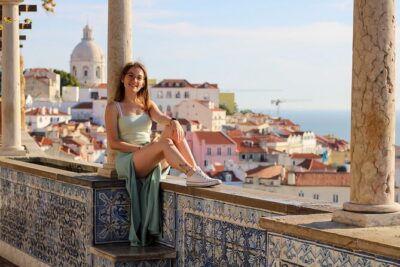 ★ 4.5Photoshoot with a Local Professional Photographer in LisbonTickets from $4883 traveller reviews
 ★ 4.9Romantic Photoshoot Experience for Couples in LisbonTickets from $7378 traveller reviews
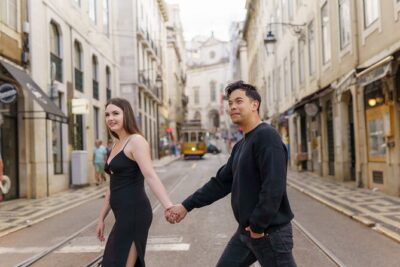 ★ 5.0Lisbon Cinematic Photoshoot with Top-Rated PhotographerTickets from $10276 traveller reviews
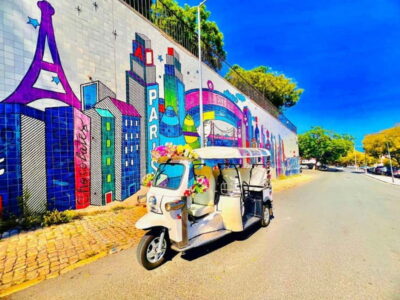 ★ 4.8Private Tuk Tuk Tour with Polaroid PhotosTickets from $3773 traveller reviews
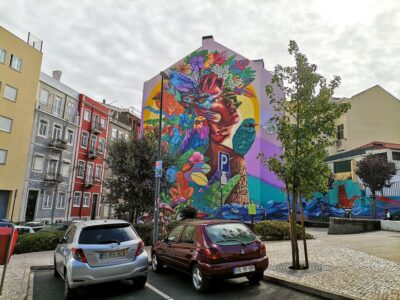 ★ 4.92-Hour Street Art Photo TourTickets from $6043 traveller reviews
 ★ 5.0Authentic Photo Experience in Lisbon with a Local PhotographerTickets from $4827 traveller reviews
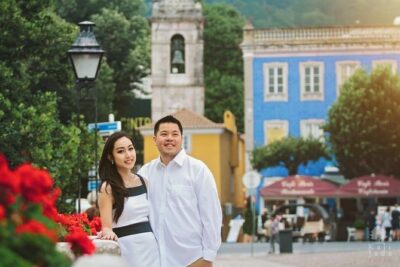 ★ 5.0Holiday Photo Shoot with Lisbon PhotographerTickets from $36726 traveller reviews
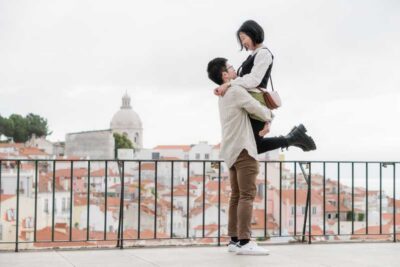 ★ 5.0Cinematic Photoshoot with Local Photographer GuideTickets from $6424 traveller reviews
More useful lists for this tour